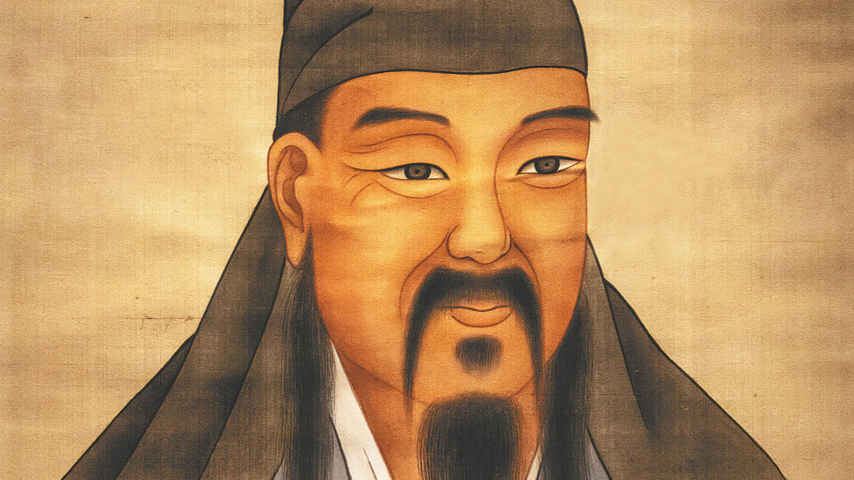
Tang Xianzu
Overview
Tang Xianzu (1550-1616) was a renowned playwright during the Ming Dynasty in China, celebrated for his contribution to Chinese literature and theater. Often referred to as "the Shakespeare of Asia," Tang is best known for his masterpiece The Peony Pavilion. His works are appreciated for their exploration of themes such as love, dreams, and the human experience, drawing parallels with the works of William Shakespeare. Tang and Shakespeare were contemporaries and both passed away in 1616, though they never met.
Literary Contributions
Tang Xianzu's most significant works are collectively known as the Four Dreams of Linchuan, which include The Peony Pavilion, The Purple Hairpin, Record of the Southern Bough, and Handan Dream. These plays are distinguished by their rich lyrical language, complex characters, and intricate plots. The Peony Pavilion is particularly famous, often compared to Shakespeare's Romeo and Juliet for its exploration of love and tragedy. It tells the story of Du Liniang, a young woman who dreams of a lover and dies of heartbreak, only to be resurrected by her true love, Liu Mengmei.
Cultural Impact
Tang's influence extends beyond his literary achievements; his works have played a pivotal role in the evolution of Chinese opera, particularly Kunqu Opera, which is considered the mother of many Chinese opera forms. The Peony Pavilion remains one of the most frequently performed operas in China and internationally, captivating audiences with its poetic beauty and dramatic depth.
International Recognition
Tang Xianzu's legacy has been celebrated internationally, particularly in Shakespeare's homeland, Stratford-upon-Avon. In 2017, a statue was installed to commemorate both Shakespeare and Tang, symbolizing the cultural exchange between East and West. This recognition is part of a broader effort to promote cultural exchanges and appreciation of Tang's work outside China.
Modern Adaptations
Tang's plays have been adapted into various contemporary art forms, including theater productions, operas, and films. His work continues to inspire modern artists and directors who seek to blend traditional Chinese elements with contemporary storytelling techniques. Productions like Dream Shadow: Peony Pavilion and various international performances highlight the enduring appeal of Tang's work and its ability to resonate with global audiences.
Legacy
Tang Xianzu's impact on Chinese culture and theater is profound. His exploration of human emotions and social themes continues to be relevant, making his works a subject of study and admiration. His contributions to literature and opera have earned him a place among the great literary figures of the world, and his plays remain a testament to the rich cultural heritage of China. Through ongoing performances and adaptations, Tang's legacy lives on, bridging the gap between ancient traditions and modern artistic expression. Article reference1. Sino-Spanish reading club discusses 'The Peony Pavilion' in Madrid. chinadaily.com.cn. 20192. Peony Pavilion gets a unique touch at outdoor performance venue. chinadaily.com.cn. 2018Photo Gallery(7 pictures)CategoriesLiteratureTagLiterary MastersTheaterRelatedKunqu OperaDu LiniangPeony Pavilion Youth EditionThe Peony PavilionCatalogue1. Overview2. Literary Contributions3. Cultural Impact4. International Recognition5. Modern Adaptations6. Legacy- - - []








